|
|
|
IL MTSS Network Spring Newsletter
Our quarterly newsletter is dedicated to sharing the resources and information you need to achieve learning growth for your students.
In this issue – behavior, classroom management and mental health.
Keep reading for tips on incorporating mental health and behavior into your MTSS. Hear from one of our district partners about how they made mental health a priority, and get resources you can use right away.
Don’t forget to check out our News and Events section to learn more about our upcoming Engaged Learning Conference and MTSS Boot Camps in Naperville and Decatur. |
 |
|
|
|
|
Classroom Management and Behavior |
|
Recent surveys show that student misbehavior tops educators' lists of concerns. 72 percent report that students misbehave more than they did before the pandemic. As educators, we know that behavior affects everything – from students’ academic success to staff burnout.
Here are some of our top strategies for managing school behavior:
-
Define expectations: Clearly communicate what is expected of students.
-
Be consistent: Apply consequences consistently for both positive and negative behaviors.
-
Develop relationships: Get to know students individually and find out their interests.
-
Encourage self-discipline: Help students learn to manage their emotions, set goals and use organizational skills.
-
Involve students: Ask students to help establish classroom rules and expectations.
-
Collaborate with colleagues: Communicate consistent rules to reinforce student expectations.
-
Maintain a routine: A consistent routine can help students get ready for the day.
-
Be aware of cultural and language differences: Be aware of cultural differences that may affect student behavior, and be sure your behavioral expectations are conveyed clearly in whichever language students and parents speak.
|
|
|
|
|
|
District Spotlight
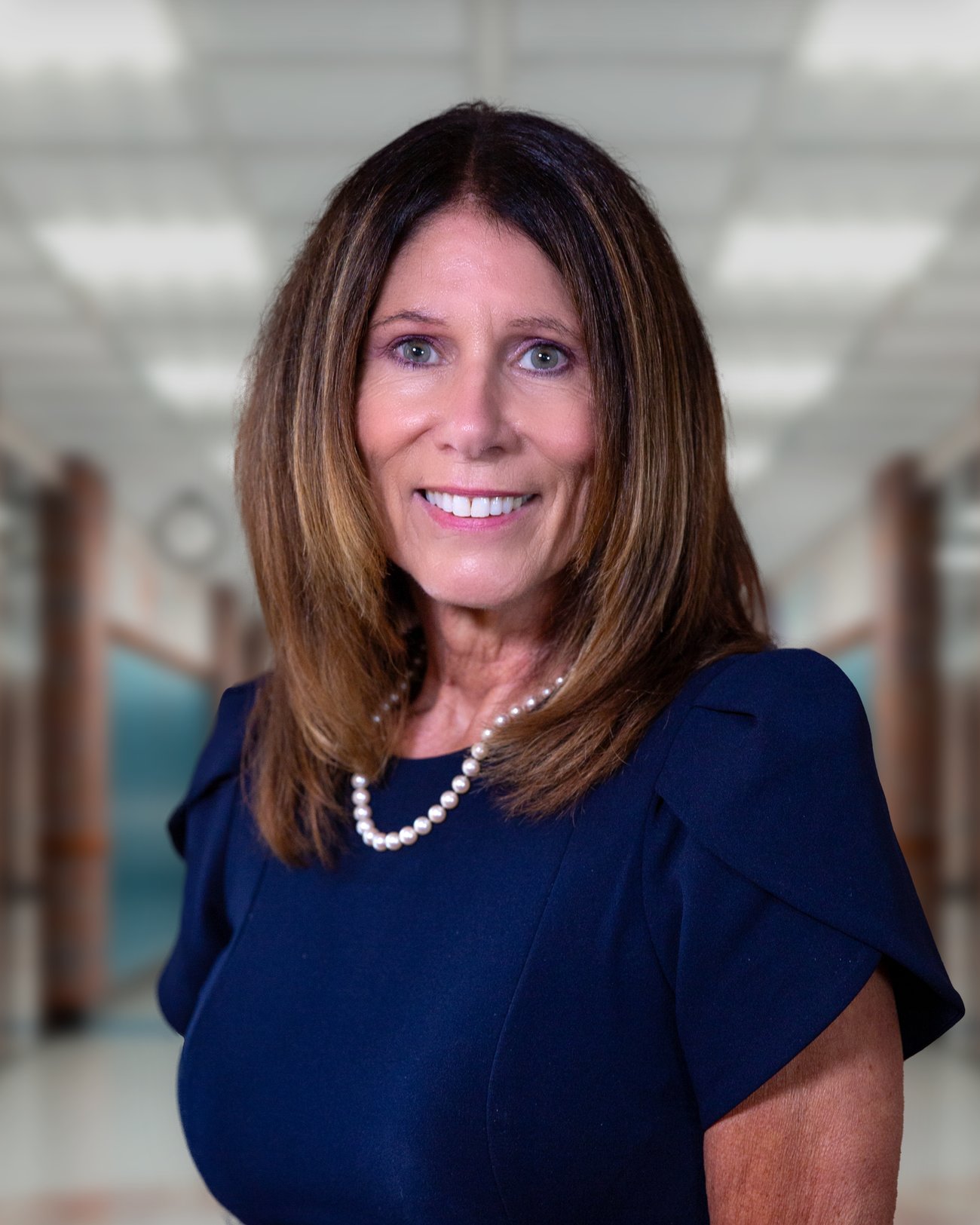
Kim West, Director of Student Services, Lyons School District 103 |
|
|
|
|
|
IL MTSS Network coaches have been working with Lyons School District 103 since they created their MTSS five years ago, and the district has made incredible progress in that time.
Lyons has made student mental health a priority throughout their district, which has also improved student behaviors, relationships and academic performance.
We sat down with Kim West, Lyons’ director of student services, for one of our most inspiring interviews yet! |
|
|
|
Here’s an excerpt of our conversation.
Based on your experience, do you have any advice for districts who might be in those early stages of developing their MTSS?
Make sure you start with intention. What's the why behind your MTSS? Make sure all your staff, your parents, your school board understand that purpose and intention. That takes time, so my main advice is, take your time – you can’t rush this. It took us five years to build this system, to address academic concerns and then behavioral concerns. And this year, it’s really paying off. We don’t have the problems we did in the past because we took the time to roll this out slowly.
I love your advice to focus on the intention behind the system. What's the “why” for you?
The why for me is that MTSS supports students academically, behavioral and socially. It's that trifecta, the whole child. We’re not doing this just because of state mandates or some outside motivation. We’re implementing an MTSS because that’s what’s best for the whole student. If you don’t address mental health, behavior and social-emotional learning, then a student can’t learn effectively – because it’s all connected.
How does social-emotional learning and mental health fit into your MTSS?
In our grade-level team meetings, we focus on a different topic each week. Reading one week, math the next week, social-emotional/behavior the next week, and then the fourth week the principal will choose a topic based on needs they’re seeing. We’re always continually looking at the data in each area and problem solving based on that data.
I heard that your district received a mental health grant, and you have a psychologist in every building. Can you share a bit more about what mental health concerns are affecting schools now, and why it’s so helpful to have that mental health support?
We see a lot of school refusal due to anxiety. We don’t see as much suicidal ideation as we did a few years ago, but that’s still a concern. I think part of the reason we’re seeing a decrease is because we’re concentrating on supporting all students and addressing mental health concerns before they rise to that level.
I’m a behavioral expert, so for me behavior and social-emotional concerns always come first because they affect everything. Students often come into school with trauma and mental health issues, so I don’t think you can have an effective MTSS unless you have a solid mental health support system connected to that. Mental health affects how a student performs in the classroom, their academic achievement. It affects how a student interacts with other students. It affects their behaviors throughout the school day. So we have to start from a solid base of students feeling safe and connected at school.
Is there anything else you’d like to share?
Absolutely. Having a superintendent like Kris Rivera, who is deeply invested in and knowledgeable about our MTSS (Multi-Tiered System of Supports) framework, makes a tremendous difference. The fact that he played a key role in building the processes himself demonstrates a high level of commitment and provides a strong foundation for the system. His involvement also boosts staff confidence – there’s something incredibly reassuring about knowing that leadership truly understands the work on the ground level.
This is just a short excerpt of our conversation with Kim. We encourage you to read the full interview on our blog! |
|
|
|
|
|
|
|
Promoting Mental Health in Schools |
|
|
|
|
|
Mental health plays a critical role in students’ overall development and academic success. Here are some practical ways to address mental health in your school or district.
-
Use Tiered Support Systems (MTSS/RTI Frameworks)
-
Tier 1: Universal strategies such as social-emotional learning (SEL), positive behavior interventions and supports (PBIS), and mental health education apply to all students.
-
Tier 2: Apply targeted interventions for students at risk, including small group counseling and behavior plans.
-
Tier 3: Provide intensive individualized support, including therapeutic services and referrals to outside providers.
-
Invest in Professional Development: Incorporate ongoing training for educators on trauma-informed practices, mental health and strategies to support emotional well-being.
-
Collaborate with Mental Health Professionals: School counselors, psychologists, social workers and external therapists play key roles.
-
Focus on Family and Community Engagement: Partner with families and community organizations to ensure a holistic approach to student wellness.
-
Create a Supportive School Climate: Foster a culture of empathy, inclusivity and safety, and reduce stigma around mental health through awareness campaigns and open conversations. Encourage student voice and empowerment in creating wellness initiatives.
-
Build a Mentoring Program: Peer mentors, staff mentors and external mentors can all help to counter isolation, promote belonging and increase confidence. The Mentoring.org school checklist is a great starting point for creating or refining your mentoring program!
|
|
|
|
|
|
|
|
Online Behavioral Health Resources |
|
Here are a few of our go-to websites for behavioral health information and support.
-
Zones of Regulation: The Zones of Regulation curriculum was created by an occupational therapist to teach emotional regulation, executive functioning and impulse control in a systematic and pragmatic way.
-
RULER: RULER is an evidence-based approach to social and emotional learning (SEL) developed at the Yale Center for Emotional Intelligence.
-
The Center on Positive Behavioral Interventions and Supports (PBIS): PBIS is an evidence-based, tiered framework for supporting students’ behavioral, academic, social, emotional and mental health.
-
SEL Resources from Casel: Social and emotional learning (SEL) is an integral part of education that can help young people thrive and create safe, healthy school communities.
-
The National Child Traumatic Stress Network: Understanding trauma is central to developing a whole-child approach to learning growth.
-
National Institutes of Mental Health: This is a go-to site for facts, statistics, hotlines and mental health research and information.
|
|
|
|
|
|
News and Events |
|
|
|
|
|
|
|
NIU Engaged Learning Summer Conference
NIU Naperville
June 20
9 a.m. – 4 p.m.
Join us for a fun, high-energy day of learning! Start out with a keynote from 21st Century Learning Specialist Laura Williams: “Apathy to Agency: Engaging All Learners through Agility and Authenticity.” Then, choose from hands-on breakout sessions on MTSS and STEAM topics. Connect with current school and district staff members and educational coaches from NIU STEAM and the Illinois MTSS Network. Gain practical skills to use right away in your district.
|
| Learn More and Register |
|
|
|
 |
|
 |
 |
|
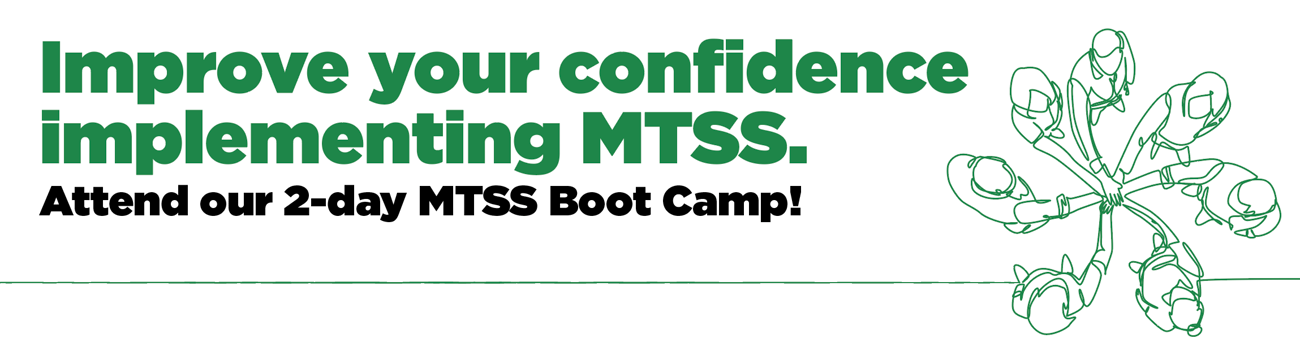
Feel more confident implementing MTSS in your schools or districts with concentrated, targeted information on essential practices that increase staff capacity.
This Boot Camp is designed for your whole team – including administrators, teachers, instructional aids and support staff. We’ll start with a broad overview of the MTSS system and then focus in on each person’s particular role. Return to your district confident and ready to implement with fidelity! |
|
Two Locations to Choose From |
|
|
|
|
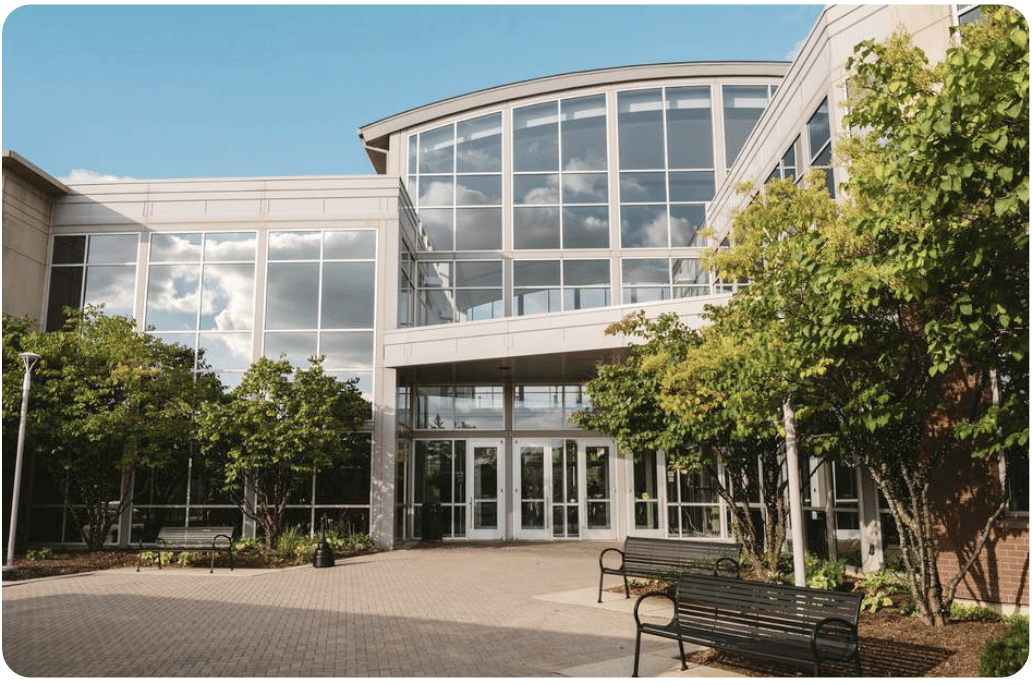
NIU Naperville
1120 E Diehl Rd, Naperville, IL 60563
June 24-25
8:30 a.m. – 3:30 p.m. |
|
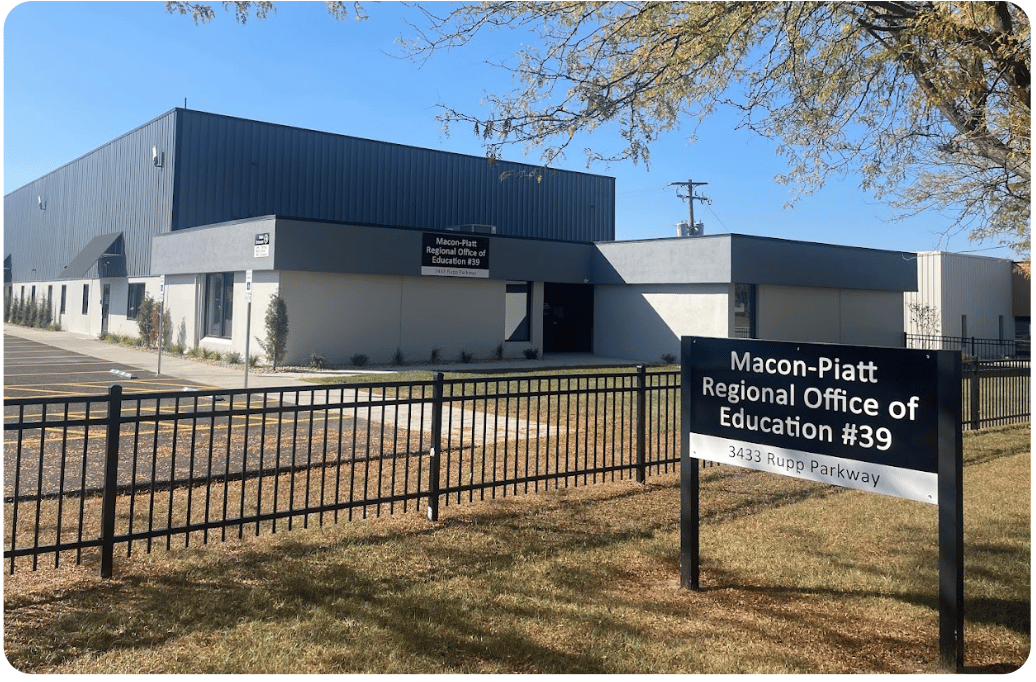
Macon-Piatt ROE 39
3433 Rupp Pkwy, Decatur, IL 62526
July 24-25
8:30 a.m. – 3:30 p.m. |
|
|
|
|
|
|
|
|
|
|
Words of Inspiration
This spring, we’re inspired by the words of one of our district partners.
Change takes time, and people need to feel safe and encouraged during the process. When I meet with a teacher, I often say, “Take a deep breath. We don’t expect perfection. As long as we’re moving in the right direction, we’re good.” That mindset creates space for growth, reflection and, ultimately, lasting progress.
- Kim West, Director of Student Services, Lyons School District 103
|
|
|
|
|
|
From Our Participants
“This year, I attended three sessions presented by Kari Harris and Kim Spiker. I am grateful for the knowledge and clarity I gained from these sessions. The information presented was relevant to my work as a curriculum director/instructional coach. The sessions clarified my understanding of topics such as creating a collaborative school culture, choosing and managing literacy interventions, and checking for fidelity in interventions. Not only did I gain a wealth of knowledge from attending the sessions, but the information was presented in a way that even someone new to these topics could understand. I developed a deeper understanding of the Multi-Tiered System of Supports. I gained clarity on using data to measure student growth and the effectiveness of interventions. I finally understood why a collaborative school culture was critical to teacher efficacy. The knowledge and clarity I gained will benefit not only me, but my school district as we strive to improve learning for all students.”
|
|
– Chrystal Holmes
Curriculum Director/Instructional Coach, Lawrence County CUSD #20
Attendee at Illinois Reading Council Conference sessions presented by
Il MTSS-N Coaches Kari Harris and Kim Spiker
|
|
Kari and Kim will be leading our upcoming MTSS Boot Camps. Don’t miss the chance to work with these knowledgeable coaches!
|
|
|
Forward to a Friend
Know someone who might enjoy receiving this newsletter? Use our Forward to a Friend link below. |
 |
|
|
|
|
|
|
|
|
Copyright © 2025 Illinois MTSS Network, All rights reserved.
Illinois MTSS Network
Northern Illinois University
307 Lowden Hall
DeKalb, IL 60115
United States
Click here to unsubscribe |
|
|
|
|