|
|
|
Welcome to the IL MTSS Network summer newsletter!
Our quarterly newsletter is dedicated to sharing the resources and information you need to achieve learning growth for your students.
In this issue – collective efficacy!
As you prepare for the new school year, do you believe you can make a difference? The number one mindset educators must have to see change in our schools is “collective efficacy” – the belief that we have the skills and resources to accomplish our school improvement goals.
Keep reading for tips to start the year off right – and to set up collective efficacy within your school. |
 |
|
|
|
|
Meet the Team |
|
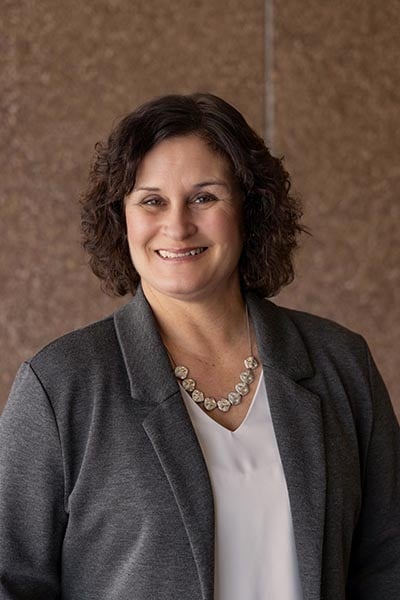
Kim Spiker, Network Capacity Coach
Kim Spiker is proud to have served students and educators in Arizona and Illinois for over thirty years. Kim has ten years’ experience providing coaching and professional learning on MTSS across two iterations of the Illinois MTSS Network.
Kim earned a bachelor’s degree in Liberal Studies from California State University at San Marcos. She went on to earn graduate degrees in Educational Leadership from Eastern Illinois University and Curriculum and Instruction from Western Governors University. Kim holds a Professional Educator’s License with elementary and administrative endorsements and is also trained in Illinois teacher evaluation. She has served on the IL ASCD board and ISBE’s Dyslexia Task Force.
|
| Learn more about Kim |
|
|
|
|
|
We spoke with Kim to learn more about her approach to MTSS and collective efficacy.
Here’s an excerpt from our conversation.
Can you share a bit about your background, and how you came to be a Network Capacity Coach?
I spent 22 years, mostly in elementary schools, as a classroom teacher, Title 1 teacher and administrator. I loved the moments when my students learned something they had been struggling with. I liked knowing I had something to do with easing their struggle. When an opportunity came up for me to participate in the Illinois RtI Network (an earlier iteration of the MTSS Network), as an external school coach, I embraced it. During that year, I saw the Network from the inside and witnessed the power RtI/MTSS could have for staff and students.
Why do you support the use of MTSS in schools?
I support MTSS in schools because I have seen, time and time again, how it can change the trajectory of students and schools. I have seen incredible shifts in mindset from administrators and adults through this work which enables them to engage in difficult system change. I've seen first-hand how students' lives have been altered due to the support they receive through high quality instruction and tiered intervention.
What's your top advice for schools working to implement or improve MTSS?
My top advice for those working to implement or improve their MTSS is to begin with a self-assessment of where you are right now. Knowing how your system is performing on the big components of MTSS will identify areas to celebrate and areas to grow.
A second piece of advice is to pick two to three areas to work on and stay focused. With patience and focus, you will see amazing results.
What does "collective efficacy" mean to you, and why it is important for schools?
Collective efficacy is such a powerful lever in schools! I first became aware of the idea years ago after reading some of John Hattie's work. Hattie, and others, propose that the number one mindset we must have to see change in our schools is that we believe we can make a difference. It seems like such a simple thing, but there are big challenges facing schools today. Administrators, teachers, staff, students and families must first believe they can make the changes to see improved outcomes.
Is there anything else you'd like to share?
After a great conversation with Joyce Debrah and IL MTSS Network Director, Lori Hensold, I've recently started thinking about MTSS as an iceberg. The part on top of the water holds the technical aspects we can read about in MTSS books. The much larger part, below the water, contains the context specific adaptive changes that will need to be made for MTSS to be effectively implemented in each school/district situation. Contextualizing the adaptive aspects of implementation is something IL MTSS Network coaches do very well.
|
| Read the Full Conversation |
|
|
|
|
Collective Efficacy in Schools |
|
Collective efficacy is the shared belief that we have the power to make a positive impact on student learning. Coaching, educator PD and Professional Learning Communities (PLCs) are central to collective efficacy. They provide the knowledge and skills teachers need to be effective, as well as community support to help educators thrive.
Fast Facts about Collective Efficacy and PLCs
-
Research consistently shows that student achievement improves when teachers receive PD focused on improving their content knowledge and teaching skills.
-
Leaders can help teachers achieve collective efficacy by elevating teacher voice, co-constructing goals with teachers, and encouraging teachers to share effective practices with each other.
-
Bringing this collective mindset to educator teams ultimately improves student learning.
-
The benefits of PLCs for practicing teachers are well documented.
-
PLCs combat isolation and create opportunities for colleagues to engage in ongoing, job-embedded and personalized professional development.
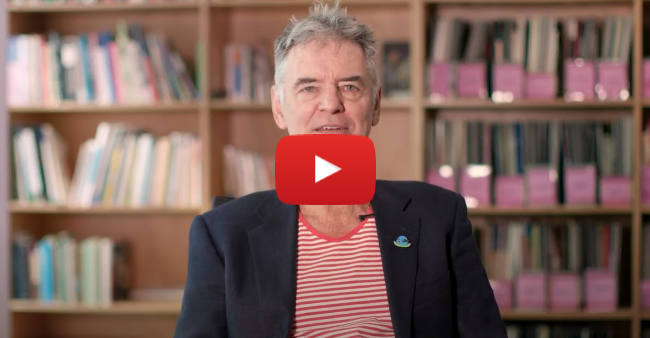
Check out this video from education researcher John Hattie to learn more about what Collective Efficacy is and why it’s so important. |
 |
|
|
|
|
Create a Positive School Climate |
|
To have collective efficacy, we need to feel a sense of community – in our building, department and grade level teams. And we need to extend that sense of community to students and families. That’s why it’s so important to start the school year off right with a positive school climate!
Here are some strategies for creating a positive school climate to improve student outcomes:
-
Welcome students by name. (Read more below about why this simple practice makes a big difference!)
-
Acknowledge positive student behavior.
-
Teach expectations in all areas of the school or activity.
-
Set classrooms routines and walk through routines with all students.
-
Make connections with students’ backgrounds and culture.
-
Emphasize attendance. Reach out to families early if students have first- or second-week absences.
|
|
|
|
|
Why Greet Students at the Door? |
|
We get it. When you see that viral video of a teacher doing a special dance to greet each student, it seems like too much! But you don’t have to put on your dancing shoes to make a positive difference with just a few minutes each day.
Greeting students by name takes only minutes and has many benefits.
-
Increase academic engagement by 20%.
-
Decrease disruptive behaviors by 9%.
-
Promote a sense of belonging.
-
You’ll actually gain more instructional time because of improved student engagement!
Check out this video from social worker Laura Mooiman to learn why it’s worth the extra time to greet each student by name.
|
 |
|
|
|
|
New and Events |
|
MTSS Bootcamp
Aug. 8 and 9, 2024
Heartland Community College in Normal, Illinois
Don’t miss the chance to start the year off right with MTSS Boot Camp!
-
Learn what MTSS looks like at each tier.
-
Learn to support MTSS in your specific role.
-
Engage in interactive sessions with your peers.
-
Get guidance from MTSS expert coaches.
Cost: $550 for 1 person from a school district, $530 for 2 from the same school district, and $500 for 3 or more. Earn up to 15 PDHs.
MTSS Boot Camp format:
|
| Learn more and register |
|
|
|
Our 2024-25 Learning Networks Are Coming Soon!
Virtual MTSS Learning Networks help you collaborate with other educators, advance your knowledge of MTSS and earn ISBE PDHs.
Learning Network 1
Using an MTSS Framework for Attendance
Thursdays 10-11:30 a.m. Oct. 10, Nov. 14, Jan. 9, Feb. 20, Apr. 17
Learning Network 2
MTSS Conversations: Leveraging your MTSS to Support Literacy
Thursdays 12:30-2 p.m. Oct. 24, Dec. 12, Feb. 6, March 27
Learning Network 3
MTSS Essential Practices for an Integrated System that Supports ALL Learners
Tuesdays 1-2:30 p.m. Oct. 8, Oct. 29, Nov. 12, Dec. 3, Jan. 14, Feb. 4, Feb. 25, March 25, April 22
Learning Network 4
Practical Support for Interventionists
Tuesdays 9-10:30 a.m. Oct. 8, Oct. 29, Nov. 12, Dec. 10, Jan. 14, Feb. 4, Feb. 25, March 18, April 8
Learning Network 5
Developing or Revamping a Secondary MTSS Framework
Fridays 10-11:30 a.m. Sept. 20, Oct. 18, Nov. 22, Dec. 13, Jan. 17, Feb. 21, March 21, April 18, May 16
|
| Learn more |
|
|
|
Upcoming Conferences
We’re presenting at these upcoming events. Hope to see you there!
2024 Education Fall Leaders Annual Conference
Illinois Principals Association
Oct. 20-22, 2024
Peoria, IL
Stop by our booth or join our sessions!
Raising Student Achievement Conference
Dec. 9-10, 2024
Oak Brook, IL
Don’t miss our presentations on MTSS: Leading a Strong Tier 1 and Strategies for Contextualizing, Rather Than Memorizing Vocabulary for Students in Kindergarten Through Grade 12. |
|
|
|
|
|
Forward to a Friend
Know someone who might enjoy receiving this newsletter? Use our Forward to a Friend link below. |
 |
|
|
|
|
|
|
|
|
Copyright © 2024 Illinois MTSS Network, All rights reserved.
Illinois MTSS Network
Northern Illinois University
307 Lowden Hall
DeKalb, IL 60115
United States
Click here to unsubscribe |
|
|
|
|