|
Meet the Team
|
|
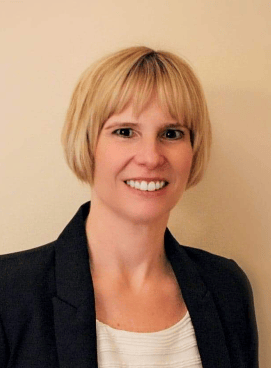
Cindy Knight Meisner
Cindy Knight Meisner, MS, SSP, is a network capacity coach in the Central Region. She has experience as a school psychologist, department supervisor, and director of special education. She provides coaching and technical assistance to help districts establish a continuum of practices and supports based on their needs. Cindy specializes in administration of special education and prevention programs with particular attention devoted to strengthening relationships between general education, special education and alternative/at-risk student programs and building equitable, inclusive practices at all levels.
|
| Learn more about Cindy. |
|
|
|
|
|
We spoke to Cindy to learn more about her approach to coaching. Here’s an excerpt of our conversation. |
|
Can you share a little bit about your background?
Prior to joining the IL MTSS Network, I worked as a school psychologist, a student supports program supervisor and a Director of Special Education in central Illinois. I’ve always been a systems thinker and I knew that, being just one person, the needs would always stretch beyond what I could do individually, especially for lasting improvements. I think, in every school setting, this scenario is all too real. So I knew there would be great value in building capacity and a multi-faceted system of supports for all students.
What’s your top advice for schools looking to implement or improve MTSS?
When we’re working on implementing or improving MTSS, we adults have to first agree that our learning needs to continue! What we did a few years ago or when we first entered the field often needs to be different today. MTSS is built on high quality, job-embedded professional learning paired with coaching for implementing that new learning as a system.
What’s your advice for schools working to improve attendance?
First, it's important to approach the challenge of improving attendance by using a framework that includes several layers of action. That includes promotion of school attendance as an ongoing foundational piece of the work, early prevention when we see warning signs that attendance could be slipping, and then specifically tiered responses for intervening with different levels of intensity and individualization when that's needed.
I encourage schools to consider this as a significant area of work that can underpin their work in other areas. Attendance is so important that when we say that our plates are already too full with these other priorities, it could be that attendance and school engagement is actually the universal “plate” that these other priorities and goals should be built on. |
| Read the Full Interview |
 |
|
|
| Coaching Highlight
Harvey School District 152
|
|
Meet Dr. Amy Warke
Amy Warke, Ed.D., is executive director for teaching and learning and human resources for Harvey School District 152 in southern Cook County. She’s been working at the district central office level since 2011, when her team first worked to build a Multi-Tiered System of Support with the assistance of IL MTSS-N.
|
|
|
|
|
|
We spoke with Dr. Amy to learn more about her district’s approach to MTSS and her advice for other districts starting on their MTSS journey. |
|
Where is Harvey now on your MTSS journey?
Harvey recognizes that the work is challenging! This year specifically we have been digging into data to help us determine what root causes can be a contributing factor to learning loss. We are then utilizing the systems and structures that have been in place to continue to help staff learn, which in turn is helping our students grow.
What goals and plans does your district have moving forward?
Moving forward our district intends to continue to marry behavior and academic support under one umbrella. We are focusing not only on interventions, but on our CORE tier one instruction, as well as looking at the whole child when we determine opportunities for support behaviorally and academically. This includes working with our families as well as our children.
What’s your district’s approach to improving attendance?
Last year, our District Foundation recognized the work that the schools were doing to improve student attendance. The Foundation provided attendance grants per building for the school improvement teams to design and implement an incentive-based program for students and families to “Finish Strong” by attending school.
Our teachers and staff are doing an excellent job establishing relationships between the students, families and their needs, which is fostering a sense of belonging in our buildings and classrooms. The impact this has had on learning and behavior has been significant.
What’s your advice to other districts about attendance?
Our advice to other districts who are working with attendance challenges is that relationships matter. Taking the time and effort to personally connect with students and families makes the difference. |
| Read the Full Interview |
|
|
|
|
MTSS Evidence-Based Practices |
|
MTSS is evidence-based. In this section of the newsletter, we’ll dive into a different evidence-based practice in each issue.
In this Issue: Attendance Matters
Attendance is central to the MTSS tiers of support – just like academic and behavior support. It may seem obvious, but if students aren’t present at school, then none of our academic or behavior systems can help! That’s why we consider attendance to be a core focus of our work.
Here are some attendance-related resources to help you evaluate and improve your attendance systems at the school or district level.
-
Ten Facts About School Attendance – Why is attendance so important? And why is absenteeism so detrimental to academic performance? Take a look at these Ten Facts About School Attendance from the nonprofit Attendance Works.
-
District Self-Assessment – Does your district have a systemic approach to reducing chronic absence? This district self-assessment will help you identify your current strengths and weaknesses and identify opportunities for improving your tiered approach to attendance.
-
School Practice Self-Assessment – A district-wide system is only effective if it’s applied consistently on the ground. This school practice self-assessment will help you identify strengths and opportunities at the building level.
-
Tiered Practices to Improve Attendance – What practical supports can you implement at the universal, early intervention, and intensive intervention tiers? These tiered practices from Attendance Works demonstrate how to incorporate attendance into your MTSS tiers.
-
Attendance Playbook Guide – Implementing a new attendance system can feel overwhelming. This detailed step-by-step guide will help you identify the interventions that will be most effective for your school at tiers one, two and three – and determine how to start with high-impact, low-effort solutions.
ISBE School Attendance and Truancy Webinars
-
In December, ISBE held an hour-long webinar on Daily School Attendance and Truancy Laws. You can view the webinar on YouTube.
-
ISBE hosted a second webinar on January 17 that provided information on compulsory attendance, provisions in School Code for serving chronically absent and truant students, and simple tips and additional resources for supporting attendance. You can view the webinar presentation document online.
View additional evidence-based practices for improving attendance on our website.
|
|
|
|
|
District Spotlight: Attendance Practices from Lyons School District |
|
IL MTSS-N supports Lyons School District on attendance. This district offers a great example of how to implement a district-wide attendance initiative! Recently, Superintendent Kris Rivera and district leaders came together to review the data, utilize the attendance playbook and create a unified vision for all schools to address attendance.
Take a look at the Lyons District 103 Homepage to see how the district is raising awareness about the importance of attendance.
-
Under “News and Announcements” check out “Attendance Matters” and “Attendance Guide.”
-
The attendance guide offers guidance on when children are sick enough to stay home, and when they can safely return to school.
|
|
|
|
|
News and Upcoming Events |
|
Assessing MTSS Professional Development Needs at All Tiered Supports
February 7, 2024
4-5:30 p.m.
Join us for session four of our series of workshops in partnership with the Early Childhood Professional Learning Center! This session will support your program’s ability to determine specific practices and service delivery models to improve school climate, increase school safety, and expand access to comprehensive learning to support the implementation of MTSS and provide all school staff with necessary and ongoing professional development and learning opportunities. |
| Learn More and Register |
|
|
|
|
NIU STEAM Spring Professional Development |
| This spring, NIU STEAM is offering a variety of workshops to help you incorporate STEAM and project-based learning into your classroom, or use stories to inspire critical thinking and problem solving. |
| Learn More and Register |
|
|
|
 |
|
Student-Centered Coaching Institute with Diane Sweeney |
|
Student-Centered Coaching is an evidence-based instructional coaching model that shifts the focus from “fixing” teachers to collaborating with them to design instruction that targets student outcomes. Over six days throughout the year, this institute will take a deep dive into this coaching approach with expert Diane Sweeney. Diane is an educator, coach, author and highly sought-after facilitator.
-
November 29-30 – Core practices for Student-Centered Coaching.
-
February 7-8 – Focus on school culture and teacher engagement through teacher self-efficacy and school improvement.
-
April 10-11 – Exploration of reflective dialogue with opportunities for practice and problem solving.
|
| Learn More and Register |
|
|
Save the Date
STEAMing it Up! Using MTSS to Support Students in Literacy and STEAM
|
|
Save the date for our upcoming professional development conference in partnership with NIU STEAM on June 7, 2024.
More details coming soon! |
|
|
State Approved Learning Partners
|
|
IL MTSS Network and NIU STEAM are State Approved Learning Partners. We look forward to supporting schools with Targeted or Comprehensive designations to implement their school improvement plans. Contact Lori Hensold, Director of IL MTSS Network at lhensold@niu.edu for more information. |
|
|
|